Key Difference Between Chia and Poppy Seeds is that Chia seeds absorb water and form a gel, making them excellent for hydration, weight loss, and digestive benefits. Poppy seeds remain crunchy, offering more minerals and stronger flavor. Chia seeds are best for nutrition-driven recipes, while poppy seeds are primarily used for flavor and texture.
Chia seeds and poppy seeds are two of the most popular tiny edible seeds used globally in baking, cooking, and health-focused diets. While they look similar at first glance, they differ significantly in terms of nutrition, culinary behavior, flavor, and health benefits. With the growing interest in superfoods and plant-based nutrition, understanding the difference between chia and poppy seeds has become essential for both home cooks and wellness enthusiasts.
In this comprehensive guide, you will learn everything about these two seeds—their origins, nutrient composition, benefits, uses, and a detailed chia vs poppy seed comparison. This article is fully optimized for the keyword difference between chia and poppy seeds and includes all the information you need before deciding which seed fits your lifestyle or recipe best.
What Makes Chia and Poppy Seeds Different?
The main difference between chia and poppy seeds lies in their nutritional content, water-absorption abilities, texture, and culinary applications. Chia seeds are known for their high omega-3 content and hydrophilic (water-absorbing) nature—they swell and form a gel. In contrast, poppy seeds are rich in minerals like calcium and magnesium and remain crunchy even after soaking or cooking.
Both seeds are nutrient-dense, but they serve very different purposes in cooking and nutrition.
What Are Chia Seeds?
Chia seeds come from the desert plant Salvia hispanica, a species in the mint family native to Mexico and Guatemala. Historically, they were a staple food of the Aztecs and Mayans, valued for their energy-boosting properties.
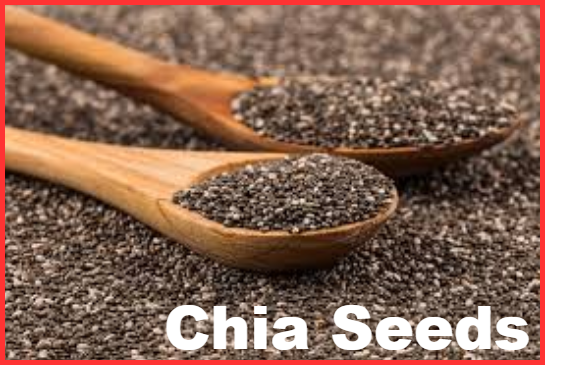
Chia seeds are tiny, oval-shaped, and typically black, grey, or white. They have a mild, neutral flavor that allows them to blend seamlessly into many recipes.
One of their most unique characteristics is their ability to absorb 10–12 times their weight in water, forming a gel. This property makes them a popular ingredient for puddings, smoothies, and vegan desserts.
Nutritional Profile of Chia Seeds
Chia seeds are considered a superfood primarily because of their balanced nutrient composition.
Nutritional Values (Per 100g):
- Calories: ~486
- Protein: ~17 g
- Fat: ~30 g (including 60% omega-3 ALA)
- Carbohydrates: ~42 g
- Fiber: ~34 g
- Calcium: ~631 mg
- Magnesium: ~335 mg
- Phosphorus: ~860 mg
- Antioxidants: High polyphenol content
Why Chia Seeds Stand Out
- One of the richest plant sources of Omega-3 ALA
- Extremely high in dietary fiber
- Gluten-free
- Packed with antioxidants that prevent oxidative damage
- Excellent source of calcium and magnesium for bone health
Their nutrient density is why chia seeds are often used in weight-loss diets, heart-healthy eating plans, and digestive wellness programs.
Health Benefits of Chia Seeds
Chia seeds are incredibly versatile and offer numerous health benefits:
1. Supports Heart Health
The high omega-3 content helps reduce inflammation, lower LDL bad cholesterol, and support cardiovascular health.
2. Aids Digestion
With 34g of fiber per 100g, chia promotes smooth digestion, reduces constipation, and supports a healthy gut microbiome.
3. Helps in Weight Management
Chia’s water-absorbing capacity increases fullness, reducing overeating.
4. Stabilizes Blood Sugar
Slows carbohydrate digestion and helps maintain stable glucose levels.
5. Bone Strength
Chia is rich in minerals like calcium, phosphorus, and magnesium—critical for strong bones.
6. Provides Sustained Energy
Long-distance runners often use chia drinks for endurance.
Culinary Uses of Chia Seeds
Chia seeds are highly versatile in the kitchen:
- Chia pudding
- Smoothies and shakes
- Overnight oats
- Added to yogurts and cereals
- Thickening soups and sauces
- Egg substitute in vegan baking
- Energy bars
- Healthy drinks like chia fresca
Their neutral flavor makes them suitable for both sweet and savory dishes.
What Are Poppy Seeds?
Poppy seeds come from the plant Papaver somniferum, widely known as the opium poppy. However, fully matured poppy seeds contain no narcotic properties, making them safe for consumption.
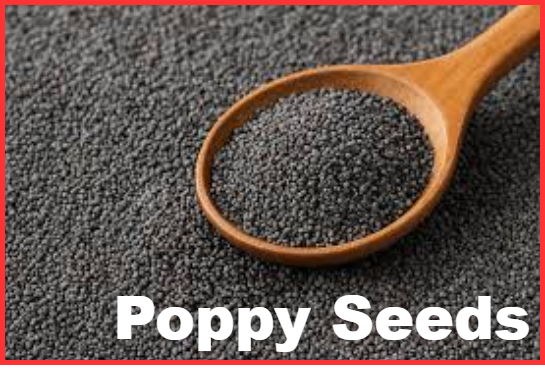
These seeds are tiny, kidney-shaped, and typically blackish-blue or grey. They have a rich nutty flavor and crunchy texture, making them popular in baked goods and traditional dishes across Europe, Middle East, and South Asia.
Nutritional Profile of Poppy Seeds
Poppy seeds are exceptionally rich in minerals, healthy fats, and antioxidants.
Nutritional Values (Per 100g):
- Calories: ~525
- Protein: ~18 g
- Fat: ~42 g
- Carbohydrates: ~28 g
- Fiber: ~19 g
- Calcium: ~1438 mg
- Magnesium: ~347 mg
- Iron: ~9.7 mg
- Zinc: ~7.9 mg
What Makes Poppy Seeds Unique
- One of the highest calcium-rich seeds
- Rich in healthy fats including oleic acid
- Good source of folate and thiamine
- High magnesium content supports muscles and nerves
Their nutritional strengths complement areas where chia seeds are weaker, particularly mineral content.
Health Benefits of Poppy Seeds
Poppy seeds offer several health benefits:
1. Excellent for Bone Health
Due to its exceptionally high calcium and zinc levels.
2. Enhances Digestion
Rich in fiber, helping with bowel movement regularity.
3. Supports Muscle Health
The magnesium content helps with muscle relaxation and preventing cramps.
4. Boosts Immunity
Zinc supports immune function.
5. Improves Skin and Hair Health
Healthy fats nourish skin and reduce inflammation.
Culinary Uses of Poppy Seeds
Poppy seeds have centuries-old culinary importance:
- Toppings for breads, muffins, and pastries
- Filling for classic dishes like poppy seed strudel
- Used in Indian curries and gravies for thickening
- Added to salad dressings
- Traditional sweets like halwa and kheer
- Poppy seed oil used in cooking and cosmetics
Unlike chia, poppy seeds add flavor, crunch, and richness to recipes.
Similarities Between Chia and Poppy Seeds
- Both are tiny edible seeds used in global cuisines
- Rich in fiber, healthy fats, and minerals
- Provide antioxidants
- Vegan, gluten-free, and plant-based
- Used in both sweet and savory dishes
- Should be eaten in moderate quantities due to high calorie density
Comparison Table: Chia vs Poppy Seeds
| Feature | Chia Seeds | Poppy Seeds |
| Botanical Source | Salvia hispanica | Papaver somniferum |
| Shape | Oval | Kidney-shaped |
| Color | Black, white, grey | Blue, black, grey |
| Texture | Gel-like when soaked | Crunchy |
| Flavor | Mild, neutral | Nutty, aromatic |
| Water Absorption | Absorbs 10–12× water | Minimal absorption |
| Best Nutrient | Omega-3 (ALA) | Calcium, magnesium |
| Fiber | Very high | Moderate |
| Culinary Role | Thickener, pudding, smoothies | Baking, curries, toppings |
| Calories (100g) | ~486 | ~525 |
| Hydrophilic Nature | Yes | No |
| Other Names | Salvia seeds, chia seeds | Khus khus, kas kas, post dana |
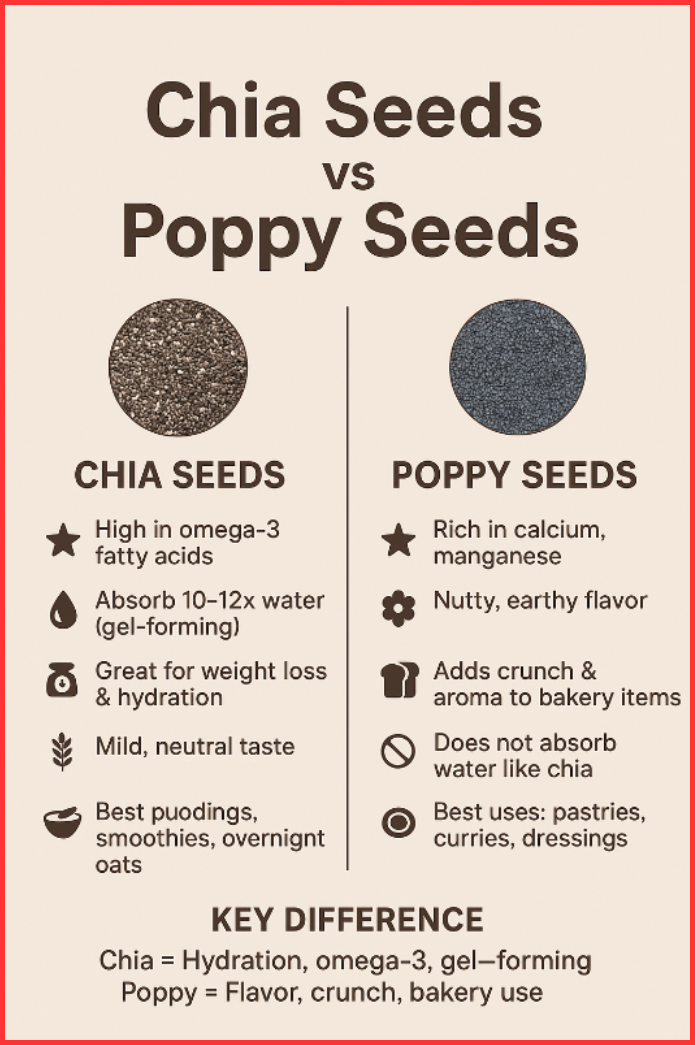
Which One Is Healthier?
Both seeds are healthy, but they excel differently:
Chia Seeds Are Better For:
- Heart health
- Omega-3 intake
- Weight loss
- Digestion
- Hydration-based recipes
Poppy Seeds Are Better For:
- Bone health (high calcium)
- Magnesium and zinc intake
- Flavor-enhancing in cooking
- Traditional recipes needing richness and crunch
Your choice depends on your nutritional goals and recipe needs.
Substitutions: Can You Replace One With the Other?
You can substitute chia seeds for poppy seeds, but only in certain cases.
Chia can replace poppy when:
- You don’t mind the gel formation
- The recipe does not require crunch
- You need a thicker consistency (smoothies, batters)
Poppy can replace chia when:
- You want flavor and crunch
- The recipe is baked goods or curry-based
- You don’t want gel formation
However, substitution changes texture significantly.
Safety, Side Effects & Storage
Chia Seeds:
- Should be soaked before eating to prevent choking
- Consume 1–2 tablespoons per day
- Store in an airtight container
Poppy Seeds:
- Safe to consume when fully washed and dried
- Avoid excessive amounts due to high fat content
- Keep in a cool, dry space to prevent rancidity
Conclusion
Chia and poppy seeds may look similar, but they are fundamentally different in nutrition, flavor, texture, and uses. If you want omega-3s, hydration benefits, and digestive health—chia seeds are the best choice. If you want mineral-rich seeds with a delightful nutty flavor—poppy seeds are ideal.
Understanding the difference between chia and poppy seeds helps you choose the right ingredient for your health goals and culinary needs. Both seeds offer unique benefits and can be valuable additions to a balanced diet.
FAQs: Chia and Poppy Seeds
No. They come from different plants and have different textures, nutrition, and culinary uses.
Chia seeds contain soluble fiber that absorbs water and forms a mucilaginous gel.
Yes. They are excellent sources of calcium, magnesium, zinc, and healthy fats.
Yes, but soaking is recommended for better digestion.
Yes, in moderate amounts (1–2 teaspoons per day).
Chia seeds are better due to high fiber and gel-forming ability that increases fullness.
No. Chia is neutral; poppy is nutty.
Reference:
1. “Chia Seeds vs. Sesame Seeds.” Souper Sage.
2. “Poppy Seed.” Wikipedia. Wikipedia Foundation.
Read Next: