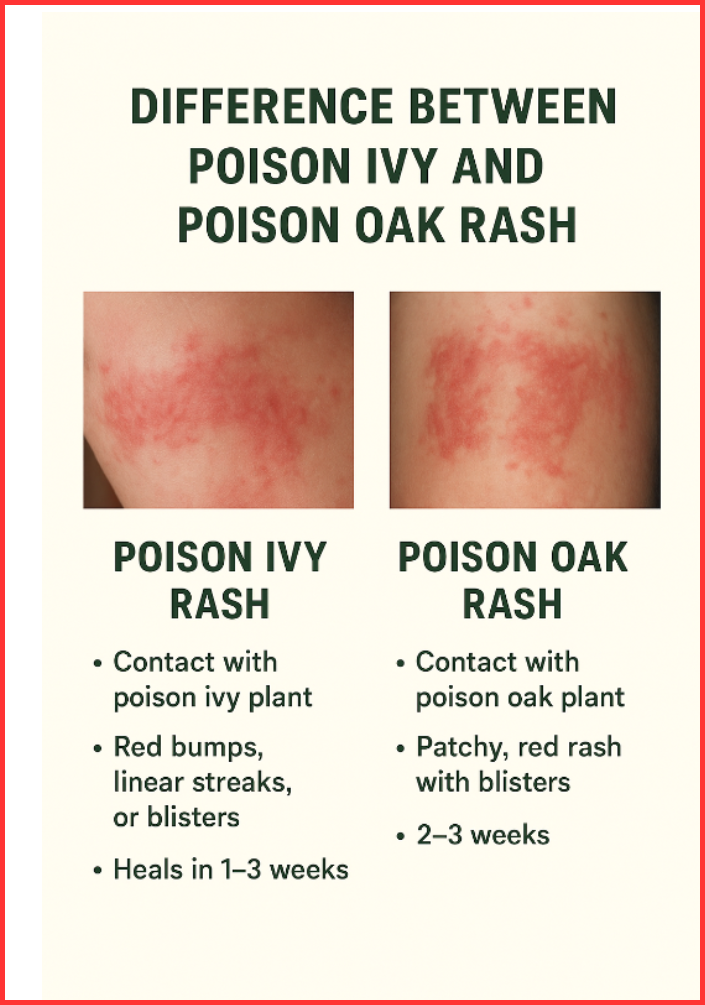
The difference between poison ivy and poison oak rash lies in the plant that triggers the reaction and the way the rash appears on the skin. Poison ivy rash usually shows linear streaks of red, itchy bumps or blisters, while poison oak rash typically forms patchy, raised, inflamed areas with blistering. Both result from urushiol exposure, but their visual patterns and healing times vary slightly.
Poison ivy and poison oak are two of the most common skin-irritating plants in North America. A brief brush against their leaves can leave you with an intensely itchy, uncomfortable rash that may last for weeks. Both plants contain urushiol, a sticky, colorless oil responsible for allergic skin reactions in nearly 90% of people.
While the rashes look and feel similar, the difference between poison ivy and poison oak rash becomes clear when comparing their appearance, symptoms, and recovery time. Understanding these distinctions helps you identify the cause quickly and choose the right treatment.
What Is Poison Ivy Rash?
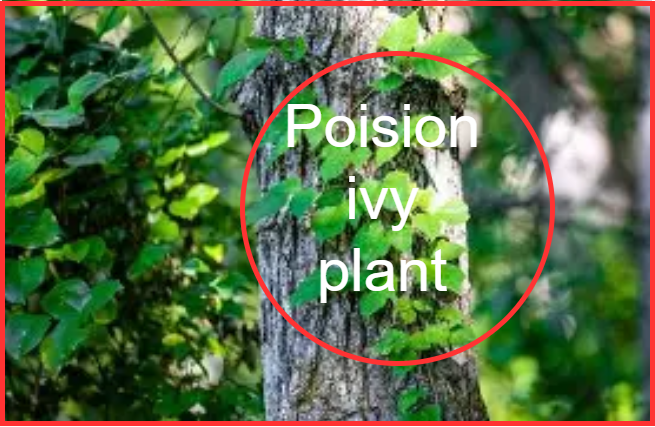
A poison ivy rash occurs when your skin comes into contact with the leaves, stems, or roots of the poison ivy plant. Even dead plants can release urushiol, so exposure is possible year-round.
How It Looks
Poison ivy rash typically appears as:
- Red, itchy bumps
- Linear streaks where the plant brushed the skin
- Clusters of fluid-filled blisters
- In some cases, black spots or streaks (black-spot dermatitis) due to oxidized urushiol
- Mild to moderate swelling around the rash
Symptoms
- Redness and irritation
- Intense itching
- Swelling of the affected area
- Blistering
- Rarely, breathing difficulty (if smoke from burning plants is inhaled)
Diagnosis
Doctors usually diagnose poison ivy rash simply by examining the skin, as the appearance is very characteristic.
Treatment
Most poison ivy reactions can be managed at home:
- Over-the-counter cortisone creams
- Calamine lotion
- Oral antihistamines
- Cool water baths with oatmeal or baking soda
- Cool, wet compresses (15–30 minutes)
In severe cases, oral corticosteroids may be required.
What Is Poison Oak Rash?
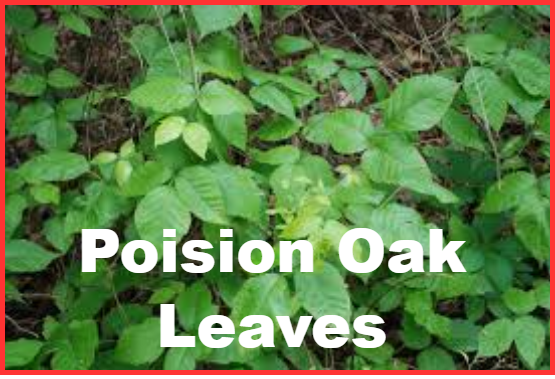
A poison oak rash develops after direct contact with the leaves or stems of the poison oak plant. Like poison ivy, it also contains urushiol, which triggers an allergic inflammatory reaction.
How It Looks
Poison oak rash generally shows:
- Patchy or streaky red rash
- Raised, itchy bumps
- Blisters filled with clear fluid
- Dry or crusty skin as the rash heals
Symptoms
- Persistent itching
- Progressive redness
- Swelling
- Blister formation
- Clear fluid oozing before scabbing
Recovery Time
Poison oak rash often lasts 2–3 weeks, depending on the severity and amount of exposure.
Treatment
Treatment usually includes:
- Calamine lotion
- Oral antihistamines
- Topical corticosteroids
- Systemic corticosteroids for severe cases
- Zinc-based skin protectants such as zinc oxide, zinc acetate, or zinc carbonate
Like poison ivy, the rash can be diagnosed visually.
Similarities Between Poison Ivy and Poison Oak Rash
Both rashes share several characteristics because they are caused by plants in the Toxicodendron family:
- Triggered by the same allergenic oil (urushiol)
- Lead to itching, redness, swelling, and blisters
- Can appear as streaks where the plant brushed the skin
- Diagnosed by physical examination
- Treated with similar over-the-counter and prescription medications
- Not contagious—the rash only spreads if urushiol remains on the skin
Key Difference Between Poison Ivy and Poison Oak Rash
Below is the key comparison between poison ivy and poison oak rash for clarity.
1. Cause
- Poison Ivy Rash: Caused by contact with poison ivy plant
- Poison Oak Rash: Caused by contact with poison oak plant
2. Appearance
- Poison Ivy Rash:
Red, itchy bumps, linear streaks, or clusters of blisters; may produce black spots - Poison Oak Rash:
Patchy, red rash with raised bumps and blistering
3. Recovery Time
- Poison Ivy: Heals in 1–3 weeks
- Poison Oak: Usually takes 2–3 weeks
4. Treatment
- Poison Ivy:
Cool baths, calamine lotion, antihistamines, OTC cortisone creams, wet compresses - Poison Oak:
Similar treatment but often requires zinc-based protectants or prescribed corticosteroids
Comparison Table: Difference Between Poison Ivy and Poison Oak Rash
| Aspect | Poison Ivy Rash | Poison Oak Rash |
| Cause | Contact with poison ivy plant | Contact with poison oak plant |
| Primary Irritant | Urushiol | Urushiol |
| Appearance | Red bumps, linear streaks, blisters, possible black spots | Patchy red rash, bumps, blisters |
| Severity | Mild to moderate | Mild to moderate but may feel more inflamed |
| Recovery Time | 1–3 weeks | 2–3 weeks |
| Common Treatments | Calamine lotion, antihistamines, OTC cortisone, cool compresses | Calamine lotion, antihistamines, zinc-based creams, corticosteroids |
| Contagious? | No | No |
Summary: Poison Ivy vs Poison Oak Rash
Understanding the difference between poison ivy and poison oak rash is essential for quick identification and effective treatment.
- Poison ivy rash usually appears as streaky red bumps or blisters and heals in 1–3 weeks.
- Poison oak rash tends to be patchier and more inflamed, often taking 2–3 weeks to fade.
Both are caused by urushiol exposure and can be treated with soothing lotions, corticosteroids, and antihistamines. Early washing of the skin with soap and water helps minimize severity.
FAQ: Poison Ivy and Poison Oak Rash
Yes. While the rash itself doesn’t cause cellulitis, scratching can break the skin, allowing bacteria to enter and cause a secondary infection.
Poison ivy rash often appears as red, itchy bumps or streaks. Some people may develop black spots or streaks instead of typical redness.
Using zinc-oxide or calamine lotion, oatmeal baths, or aluminum acetate can help dry the rash and relieve itching.
Poison oak rash usually forms red, raised patches or streaks, with blisters that may ooze before crusting over.
The rash itself does not spread person to person. However, urushiol oil can spread from skin, clothing, pets, or objects and trigger new rashes.
Reference:
1. “Poison Ivy Rash.” Mayo Clinic, Mayo Foundation for Medical Education and Research.