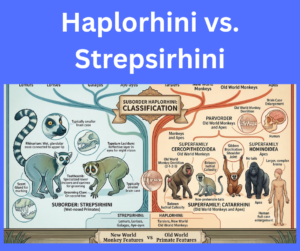
Haplorhini vs. Strepsirhini: What’s the Difference?
The main difference between Haplorhini vs. Strepsirhini is their anatomy, sensory adaptations, and major groups. Haplorhini includes tarsiers, monkeys, apes, and humans, while Strepsirhini includes
The main difference between Haplorhini vs. Strepsirhini is their anatomy, sensory adaptations, and major groups. Haplorhini includes tarsiers, monkeys, apes, and humans, while Strepsirhini includes
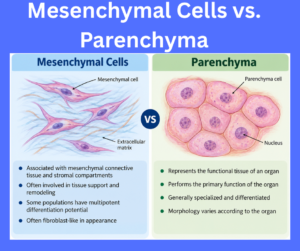
The main difference between Mesenchymal Cells vs. Parenchyma is their biological role and organization within tissues. Mesenchymal cells are cells associated with connective tissues and
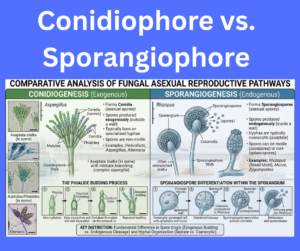
The main difference between Conidiophore vs. Sporangiophore is the type of reproductive structure and spores they produce. A conidiophore is a specialized fungal hypha that
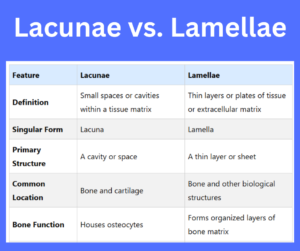
The main difference between Lacunae vs. Lamellae is their structure and function within biological tissues. Lacunae are small spaces or cavities within a tissue matrix
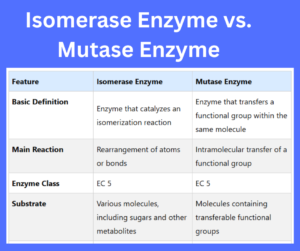
The main difference between Isomerase Enzyme vs. Mutase Enzyme is that an isomerase enzyme catalyzes the conversion of a molecule into another isomer by rearranging
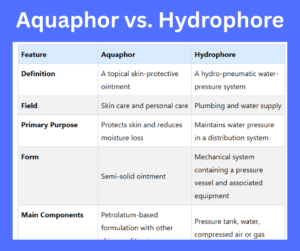
The main difference between Aquaphor vs. Hydrophore is that Aquaphor is a petroleum-based skin-care ointment used to moisturize and protect dry or irritated skin, whereas
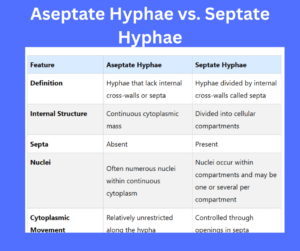
The main difference between Aseptate Hyphae vs. Septate Hyphae is that aseptate hyphae lack cross-walls called septa, resulting in a continuous cytoplasmic structure that may
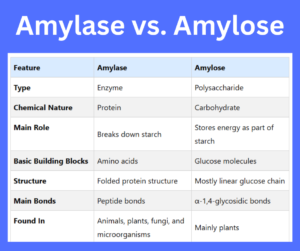
The main difference between Amylase vs. Amylose is that amylase is an enzyme that breaks down starch, while amylose is a carbohydrate polymer that forms
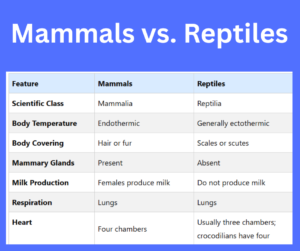
The main difference between Mammals vs. Reptiles is that mammals are endothermic vertebrates that have hair or fur and mammary glands, while reptiles are generally
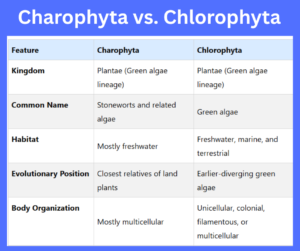
The main difference between Charophyta vs. Chlorophyta is that Charophyta are the closest living relatives of land plants and primarily inhabit freshwater environments, whereas Chlorophyta